Dental Fillings For Kids: What Are They Made Of?
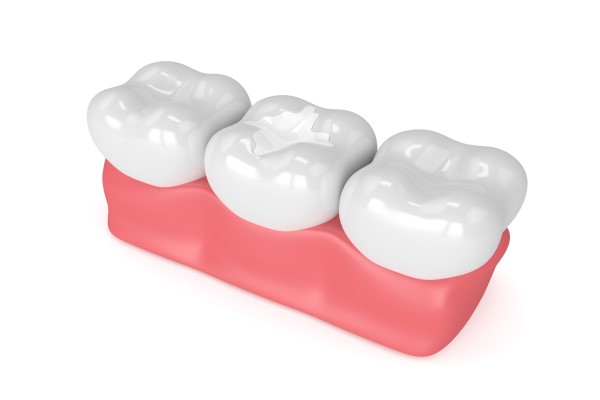
Dental fillings for kids are used to repair cavities and protect both baby teeth and young permanent teeth from further decay. It is common for families to feel a bit blindsided when a cavity is discovered, particularly when they are diligent about daily brushing. However, because baby teeth have much thinner enamel than adult teeth, decay can settle in and spread surprisingly fast. A pediatric dentist offers various types of fillings to treat decayed teeth and support the child's lasting comfort.
Understanding filling types and materials
Dental fillings for kids help treat cavities so children can eat and speak comfortably. They also seal the teeth against bacteria. That said, the selection of a filling material is never one-size-fits-all. The right choice depends on where the tooth is located, how large the cavity has grown, and how many years the tooth needs to stay in the mouth before it falls out naturally. It also hinges on the child’s age and their ability to sit still. Thus, dental fillings for kids are selected based on what will perform with the most reliability in a real-world pediatric setting.
What are dental fillings for kids made of?
Pediatric dentists can use several materials to fill a cavity, and each has its own advantages. They will evaluate the depth of the decay and the specific tooth type before recommending a path forward. Patient and parent preferences are also a key factor in choosing a material. Explore the different material options for a filling below.
Composite resin
Composite resin is a popular choice for families because it is shaded to match the natural tooth. It is a plastic and glass mixture that bonds directly to the enamel. This bonding process is helpful because it allows for a more conservative treatment: The dentist can preserve more of the healthy tooth structure while still getting a tight seal.
While composite fillings look beautiful, they must be placed in a dry environment. The patient must be able to sit still long enough for this process. And for cavities in the back of the mouth where chewing pressure is highest, or for children who grind their teeth at night, the dentist might suggest a more durable alternative.
Glass ionomer
Glass ionomer is a unique material that bonds chemically to the tooth. One of its standout features is that it can release fluoride over time, helping strengthen the surrounding tooth structure and preventing new cavities from forming. Because this material handles moisture better than composite resin, it is often used for smaller cavities or for children who have difficulty staying still for long periods. While it might wear down a bit faster than resin in high-pressure areas, it is a strategic tool when prevention and ease of placement are the top priorities.
Dental amalgam
Amalgam is the silver-colored material that most people think of when they hear "dental fillings for kids." It is incredibly strong and stands up well to the heavy grinding of back molars. It does not match the tooth's color, so it is rarely used for front teeth. However, because it is so durable and handles moisture well, it remains a well-established and effective option in specific situations where other materials might fail.
Next steps
Dental fillings for kids can be made from composite resin, glass ionomer, and amalgam. Each filling type can help a child maintain a functional, comfortable smile as they grow. Learn more in an appointment with a pediatric dentist.
Request an appointment here: https://brentwood.parksidepediatricdentists.com or call Parkside Pediatric Dentists at (925) 308-9058 for an appointment in our Brentwood office.
Check out what others are saying about our dental services on Yelp: Composite Fillings in Brentwood, CA.
Related Posts
Cavity treatment for kids may include a dental crown when a tooth has too much damage for a filling to provide lasting support. While many small cavities respond well to fillings, deeper decay can weaken a baby tooth or permanent tooth enough to need stronger protection. A crown covers the visible part of the tooth,…
Pediatric dentistry visits should begin while the child is still a toddler. Early visits allow the dentist to better understand every child’s oral development while baby teeth emerge. They can also diagnose and address any oral health concerns early to minimize their short-term and long-term impact.The following is a complete guide to pediatric dentistry for…
Corrective treatments in pediatric dentistry are procedures designed to address an oral health (or cosmetic) concern. Corrective treatment services can help treat cavities, teeth chips, cracks, infections, and misalignments (among other pediatric oral health concerns).Pediatric dentistry services include dental fillings, bonding, crowns, baby root canal, and orthodontic services. Preventive services are an important aspect of…
Many young children have a sweet tooth and enjoy sugar-filled treats. However, pediatric dentistry professionals recommend limiting sweets for children, especially sugary beverages. Making a habit of consuming these types of drinks can be harmful to a child's dental and overall health.Sugar plays a major role in tooth decay and can lead to significantly more…